
Running a team is hard work. Rosters, timesheets, compliance, safety, it all piles up fast. If you've ever asked yourself whether there's a better way, you're not alone. This is exactly why so many Australian businesses are turning to workforce management software Australia companies actually trust. But is it worth the switch? Let's break it down.
What Is Workforce Management Software?
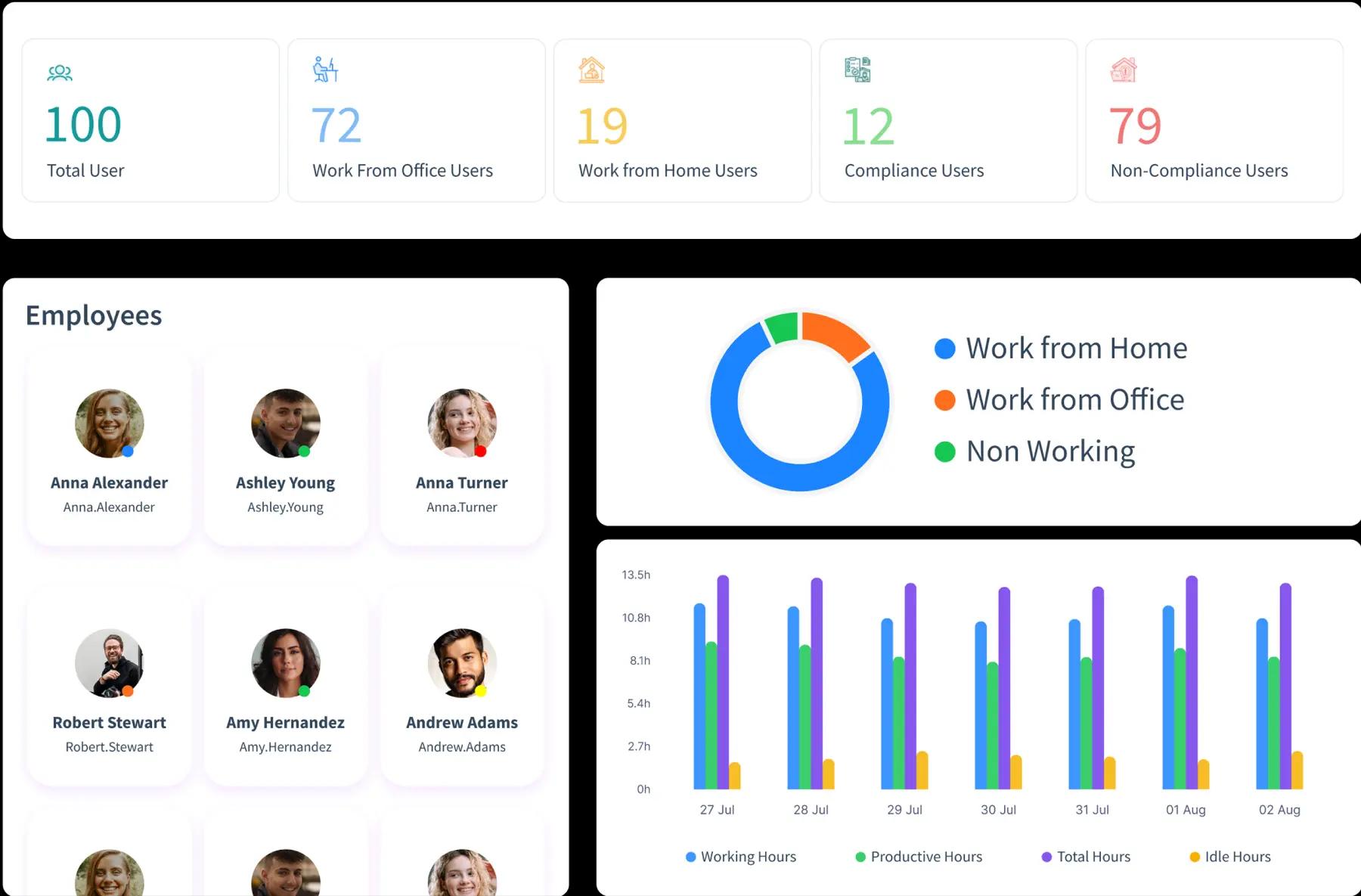
At its core, workforce management software brings your scheduling, timesheets, compliance, and safety tracking into one system. No more juggling five different spreadsheets. No more chasing paper forms. Everything lives in one place, and everyone can see it.
For a lot of business owners, that alone sounds like a win. But the real value goes deeper than convenience.
The Real Cost of Doing It Manually
Think about how much time gets lost each week on manual rostering. Someone has to check availability. Someone has to check award rates. Someone has to double check for errors before payroll runs. It adds up fast, and mistakes still slip through.
Manual processes also make compliance harder. Australian workplaces deal with award rates, penalty rates, and Fair Work rules that shift depending on industry and role. Get it wrong, and you're not just fixing a spreadsheet. You're facing underpayment claims, fines, or worse.
Why Australian Businesses Need Something Built for Them
Not all software is built the same. A lot of platforms come from overseas markets and don't handle Australian award interpretation properly. That's a problem.
The best workforce management software Australia businesses use is built with local rules baked in from day one. Think automatic award interpretation, built in Fair Work compliance checks, and reporting that actually matches what regulators expect to see.
Core Features Worth Paying For
Here's what actually moves the needle:
• Smart rostering: builds shifts around staff availability, skills, and award rates automatically
• Time and attendance tracking: removes manual timesheet errors and speeds up payroll
• Compliance reporting: keeps your business audit ready without extra admin work
• Real time alerts: flags issues like missed breaks or roster clashes before they become problems
• Mobile access: lets staff check shifts, clock in, and submit leave requests from anywhere
These features don't just save time. They lower risk too.
The Safety Side Nobody Talks About Enough
Here's something that often gets missed in this conversation. Workforce management isn't only about rosters and pay. It's also about keeping people safe on the job.
Good software should tie directly into your health and safety management plan, not sit apart from it. Think duress alerts, lone worker check ins, and incident reporting all built into the same system you already use for scheduling.
Why does this matter? Because safety data that lives in a separate system, or worse, on paper, is safety data that gets missed. A proper health and safety management plan works best when it's connected to real time staff data. If someone misses a scheduled check in, or triggers a duress alert, your team should see it immediately, not hours later during a manual review.
This connection between workforce data and your health and safety management plan is quickly becoming one of the biggest reasons businesses make the switch. It's not just about efficiency anymore. It's about genuinely protecting your people.
Is It Actually Worth the Investment?
Let's get practical. Software costs money. So does the time it takes to set it up and train your team. Is it actually worth it?
For most businesses, yes. Here's why.
The time saved on admin alone often pays for the software within months. Fewer payroll errors mean fewer awkward conversations and fewer compliance headaches. And a stronger health and safety management plan means fewer incidents, less downtime, and lower risk of costly penalties.
There's also the staff side of things. Employees notice when a business runs smoothly. Clear rosters, accurate pay, and visible safety processes build trust. That trust shows up in retention, in morale, and in how hard people are willing to work for you.
Who Benefits Most?
Workforce management software isn't just for large corporations. Small and mid sized businesses often see the biggest relative benefit, since manual processes tend to eat up a much bigger share of their time.
Industries with shift work, remote teams, or lone workers benefit especially. Healthcare, aged care, security, trades, and logistics businesses all deal with rostering complexity and safety risk at the same time. For these industries, the case for workforce management software Australia providers offer becomes even clearer.
What to Look For Before You Choose
Before committing to a platform, check for these things:
• Local compliance built in, not bolted on
• A real connection between scheduling and your health and safety management plan
• Simple onboarding that doesn't require weeks of setup
• Mobile friendly access for staff on the move
• Transparent pricing with no hidden extras
The right platform should feel like it's working with your business, not against it.
Final Verdict
So, is workforce management software worth it? For most Australian businesses juggling rosters, compliance, and safety, the answer is a clear yes. It saves time, reduces risk, and strengthens your health and safety management plan in ways manual processes simply can't match.
If you're still relying on spreadsheets and paper check ins, it might be time to ask yourself a harder question. Not whether you can afford to switch, but whether you can afford not to.