

From Emergency Alerts to Everyday Security: How GPS Is Saving Lives in 2026
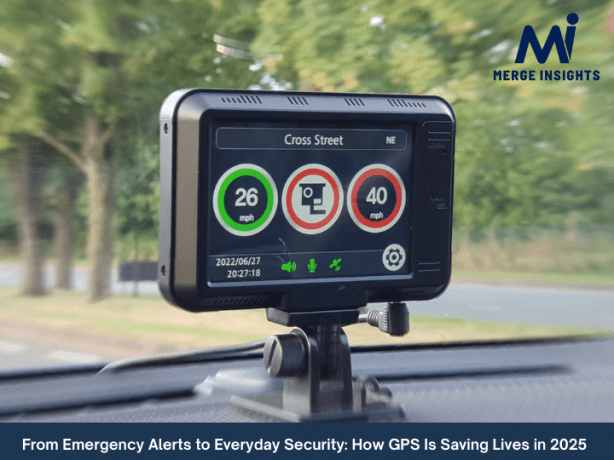
In 2026, emergency response technology has transformed the speed and precision with which help arrives when every second matters. What began years ago as basic navigation tools has evolved into intelligent, life-saving systems that empower individuals, families, and entire communities. A major leap in this evolution is the alert-enabled GPS now built into personal safety devices, wearables, and smart home systems quiet protectors that stand ready when they're needed most.
How GPS-Enabled Safety Systems Are Redefining Protection
Today's GPS-driven safety platforms do far more than provide location data. Powered by real-time analytics, AI monitoring, and predictive alerts, they can recognize potential dangers before a situation escalates. Whether someone experiences a medical event, becomes disoriented while traveling, or faces a threatening circumstance, modern tracking tools instantly deliver crucial information to first responders. Companies such as Merge Insights have contributed to building streamlined dashboards that help emergency teams interpret these signals quickly and respond with precision. What truly defines 2026 is the shift from reactive safety to proactive protection.
Key capabilities include:
Real-time location tracking for faster response
AI-driven threat detection and predictive alerts
Instant communication with emergency responders
Centralized dashboards for quick decision-making
The Role of Advanced Sensors and Predictive Alerts
Advanced sensors now monitor movement patterns, environmental changes, and even key health indicators. When something appears unusual like a sudden fall or unexpected deviation from a routine path, the system conducts an automatic check-in or initiates a call for help. This has been especially transformative for seniors, solo adventurers, and individuals managing health conditions.
These systems can detect:
Sudden falls or inactivity
Irregular movement patterns
Environmental risks
Health-related anomalies
Why GPS Safety Technology Delivers Peace of Mind
The result is a world where people feel more confident going about their lives, knowing assistance is just a tap or an automated alert away. As GPS technology continues to advance, it's not just about navigation anymore; it's about delivering security, reassurance, and genuine peace of mind.
Benefits for users include:
Increased personal safety and confidence
Faster emergency response times
Continuous monitoring without manual effort
Greater independence for vulnerable individuals
Conclusion
In conclusion, the evolution of GPS-enabled emergency response technology in 2025 marks a significant shift toward smarter, faster, and more reliable safety solutions. By combining real-time tracking, AI-driven insights, and advanced sensor capabilities, these systems ensure that help is delivered precisely when and where it is needed. As a result, individuals and organizations can move from reactive responses to proactive protection. Ultimately, this advancement not only enhances safety outcomes but also builds lasting confidence, independence, and peace of mind in an increasingly connected world.